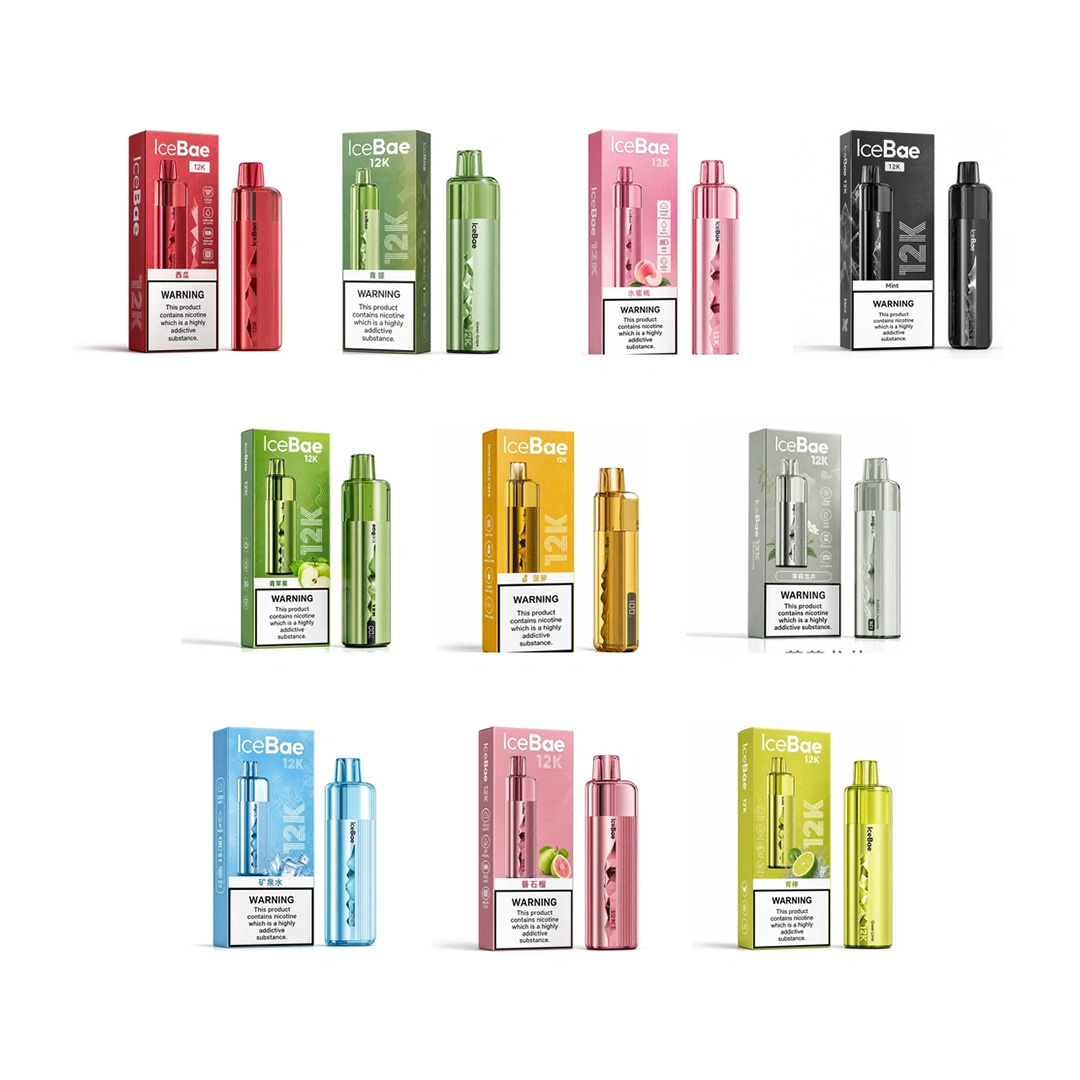
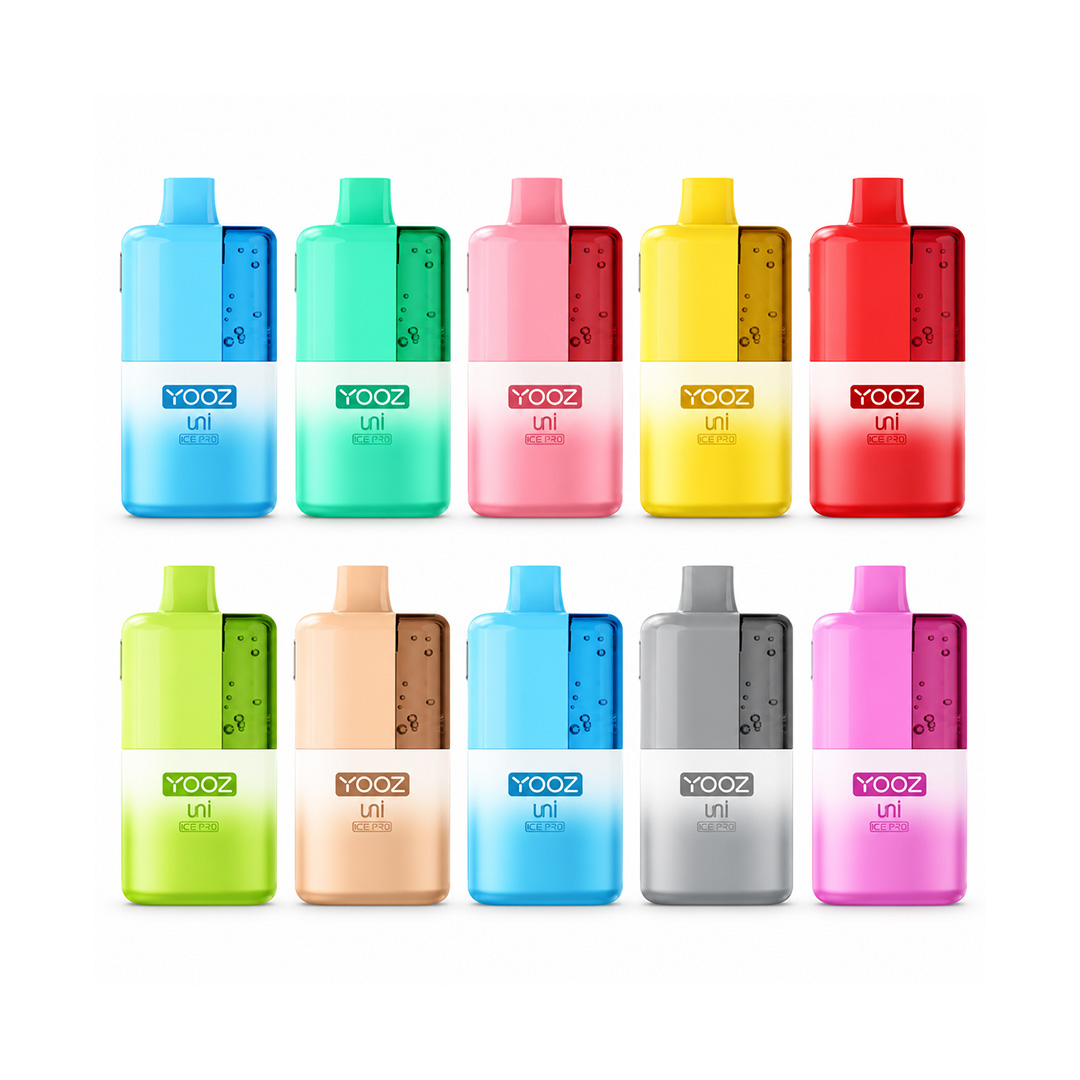
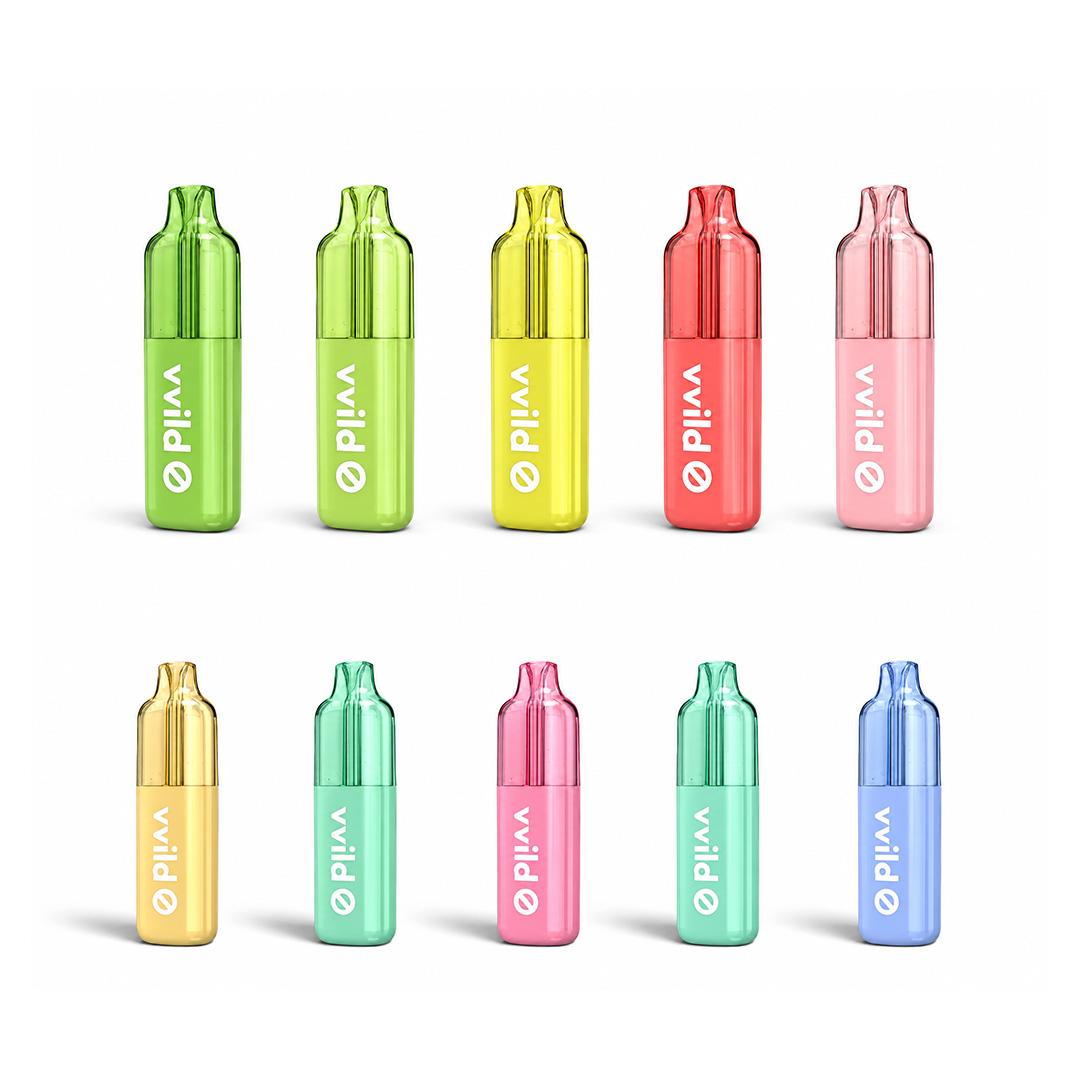
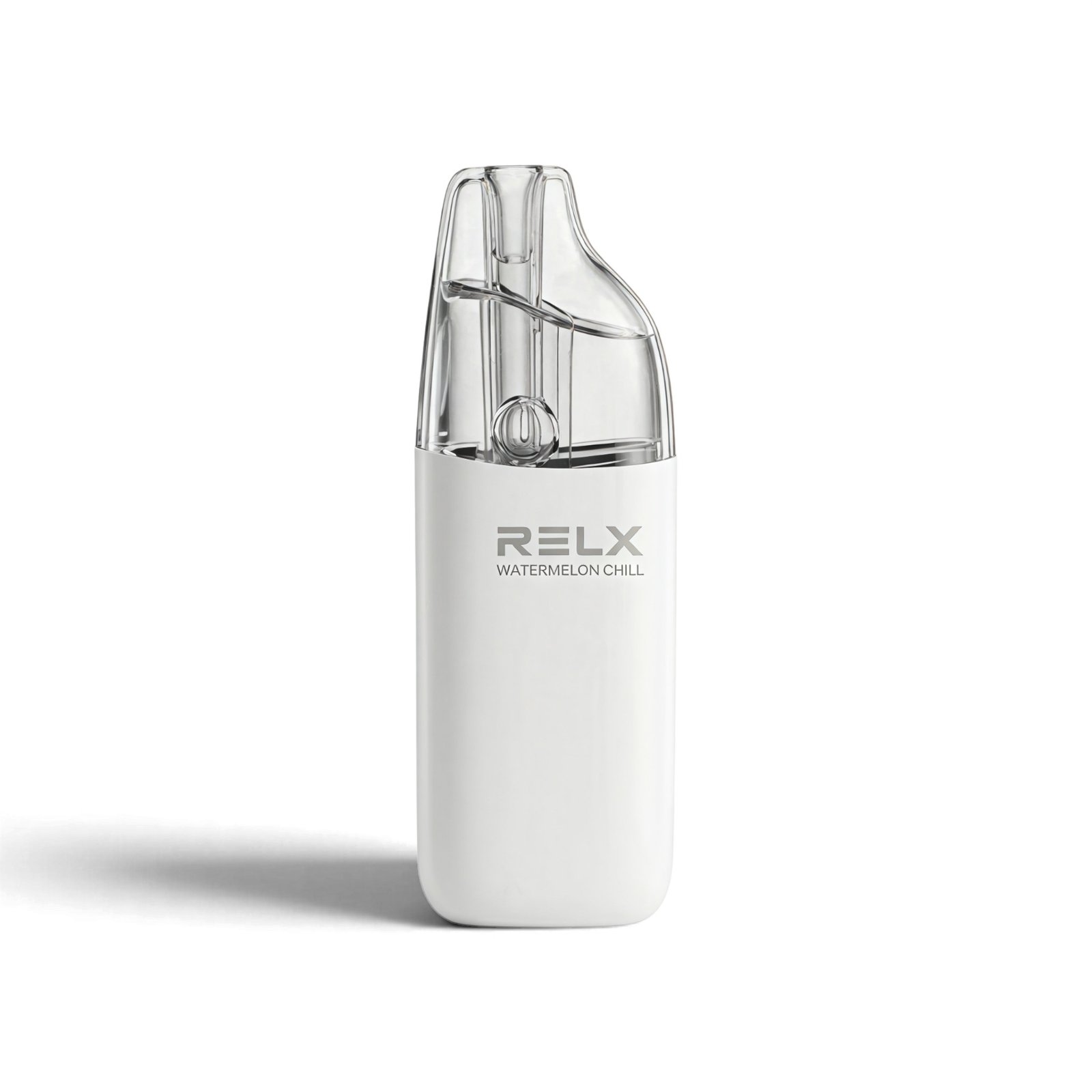
With declining smoking rates and a surge in e-cigarette demand, the French e-cigarette market is experiencing a year of transformation.In the European e-cigarette landscape, France is attracting global attention with its unique market dynamism and policy direction. On one hand, there's a steadily expanding user base and continuously growing import demand; on the other hand, there's an increasingly stringent regulatory framework.Since the ban on single-use e-cigarettes took effect in 2025, this market, with over 3 million daily users, has not cooled down but has instead found a new growth curve through product iteration and channel transformation.01. One of Europe's Most Dynamic E-cigarette MarketsFrance remains one of Europe's most dynamic e-cigarette markets. The French e-cigarette market is projected to reach approximately $2.3 billion by 2026.Behind this growth is a large and relatively mature user base. Currently, the country has over 3 million adult e-cigarette users, representing approximately 8.1% of the adult population.This large group provides a stable and predictable foundation for market demand, driving continuous consumption through both e-liquid consumption and device upgrades.The French market's appeal lies not only in domestic consumption but also in robust import demand. According to customs data on e-cigarette products and related categories, exports to France increased by over 15% year-on-year in 2025.This data fully demonstrates the French market's absorption capacity; even during periods of policy adjustment, its inelastic demand provides a solid order guarantee for the global supply chain.02. Significant Increase in E-cigarette Usage The long-term potential of the market often lies in the consumption habits of the younger generation. The 2024 EnCLASS survey released by the French Drug and Addiction Trends Observatory (OFDT) reveals a remarkable generational shift.This survey, involving 11,731 primary and secondary school students, shows that while smoking rates among French teenagers continue to decline, e-cigarette usage has increased significantly.Data shows that the daily smoking rate among high school students fell from 6.2% in 2022 to 5.6% in 2024, reaching a historical low. However, in stark contrast, the proportion of daily e-cigarette use rose sharply from 3.8% to 6.8%.This means that the number of teenagers vaping daily now exceeds the number of those smoking traditional cigarettes.Among the broader 16-year-old population, 38% have tried e-cigarettes, with a near-daily usage rate of 6%. This trend reflects a shift in nicotine intake preferences among younger consumers—they view e-cigarettes as a trendier, "healthier" option, while also having a greater awareness of the harms of traditional tobacco.This generational shift has laid the groundwork for the long-term development of the French e-cigarette market, but it has also sparked renewed concerns from public health authorities about the intergenerational transmission of nicotine addiction, directly leading to stricter regulations targeting products appealing to younger generations.03. The Single-Use Ban and the Counter-Trend Growth of Offline ChannelsOn February 13, 2025, France passed a landmark law—a ban on single-use e-cigarettes, which officially took effect on February 25, prohibiting the sale and distribution of single-use e-cigarettes.This ban primarily targets "Puffs," a single-use product popular among teenagers, aiming to cut off young people's easy access to nicotine and reduce environmental pollution.The implementation of the ban has profoundly changed the product structure in France. With the phasing out of disposable e-cigarettes (2ml pre-filled, non-rechargeable), the market has rapidly shifted towards open-system devices and refillable devices. Research indicates that open-system devices currently hold approximately 73% of the market share.Among these, innovative "2+10ml" (one 2ml pre-filled cartridge plus two 10ml refill bottles) and large-capacity refillable devices have become market favorites. These devices retain the extended puff experience of disposable products while meeting environmental and regulatory requirements.The ban has not only changed product form but also strengthened the position of physical channels. As of 2025, e-cigarette shops will remain the primary sales channel for e-cigarettes in France. Currently, there are approximately 3,500 dedicated e-cigarette shops in the country, representing an 8% year-on-year increase.These physical stores account for nearly 46% of all e-cigarette purchases in the market. Omnichannel leaders Kumulus Vape and LCA hold the largest market share in France.Although the online sales ban has been passed (currently accounting for approximately 25-30% of the market), the importance of physical specialty stores will further increase in the future.04. Nicotine Pouches Banned, Tax on E-liquid Unexpectedly RejectedWhile tightening its grip on youth appeal, the French government has also taken strong measures against other emerging nicotine products.A French government decree stipulates that from March 1, 2026, the production, sale, possession, and use of oral nicotine products will be completely banned. This primarily targets nicotine pouches, nicotine tablets, and chewing gum, which have become popular in recent years.These products, due to their rich flavors, discreet use, and lack of tobacco, have rapidly gained popularity among young people, raising concerns among health authorities.The French National Agency for Food, Environment and Occupational Health and Safety (ANAS) points out that their advertising targets young consumers on social media and poses a risk of severe acute nicotine poisoning syndrome.However, for e-liquid, the core product of the e-cigarette industry, the industry experienced an unexpected victory at the end of 2025. The Finance Committee of the French National Assembly, during its review of the 2026 fiscal bill, rejected a proposal to tax bottled e-liquid. The original proposal planned to tax e-cigarettes based on nicotine concentration, ranging from €0.30 to €0.50 per 10 milliliters.Members opposing the tax argued that while e-cigarettes are harmful, they are significantly less harmful than cigarettes, making them an important tool for harm reduction and smoking cessation. This decision temporarily stabilized e-liquid prices, preserving valuable breathing room for the industry.05. The Clash Between Local Companies and Emerging BrandsThe French e-cigarette market exhibits a unique competitive landscape. Unlike many markets dominated by a few leading brands, the French market is not controlled by a single dominant brand; companies like JNR and FUMOT have significant sales volumes. This relatively fragmented brand structure provides space for market innovation and diversification.However, with the implementation of the one-time ban, the market structure began to loosen. Brands focusing on nicotine salt e-liquids, such as JNR, experienced explosive growth.These brands quickly filled market gaps by rapidly iterating their products and accurately capturing the tastes of former single-use product users.Meanwhile, the long-term value of the French market has also attracted five rounds of technological investment. In 2025, Wulun Technology, a company listed on the National Equities Exchange and Quotations (NEEQ), announced that its wholly-owned subsidiary, Hong Kong Wulun Technology Group Co., Ltd., planned to establish a wholly-owned subsidiary, ITSUWA FRANCE, in France.This move signifies a shift among some Chinese manufacturers from a purely export-oriented model to one focused on localized operations and brand development, allowing them to more flexibly adapt to the complex regulatory environment and market demands in France.In summary, the French e-cigarette market is at a peculiar juncture, balancing strong regulation with stable growth. On the one hand, the ban on disposable products and nicotine pouches, along with the blockade of online sales, demonstrates the government's determination to protect the health of minors.On the other hand, the rejection of e-liquid taxes and the tacit approval of physical stores have created space for innovation among compliant companies.For global industry players, the French market is no longer simply a dumping ground for products, but a litmus test of compliance response speed, product iteration capabilities, and the depth of localized operations.In 2026, with the formal implementation of the nicotine pouch ban, this battle between harm reduction and addiction will continue.
 English
 简体中文
简体中文